History on the Bus: Ten Nearby Heritage Gems for a Car-Free Weekend
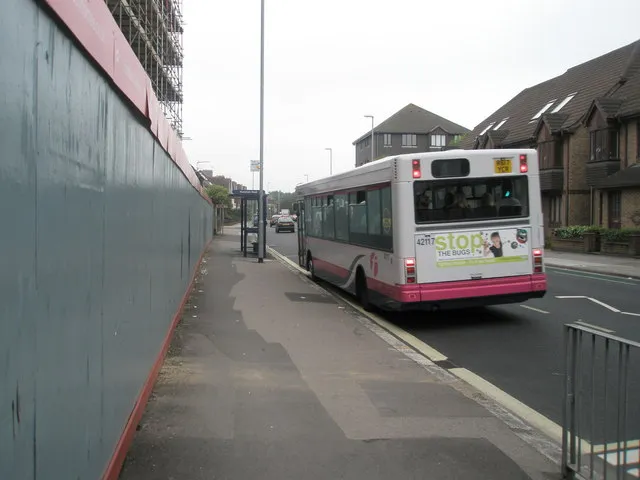
Photo: Basher Eyre, CC BY-SA 2.0, via Wikimedia Commons
You do not need a train ticket to York or a tank of petrol to find heritage. Some of the best local history is a short bus ride away: a tiny museum, a listed lido, an allotment with a waiting list older than your nan. In 2026, with day tickets and concessionary passes still doing good work, a weekend bus pass is a genuinely low-cost way to explore. It is also good for the mood. A short journey, a small place, a bit of curiosity — that is often enough.
1. The pocket-sized town museum
Look for the museum with one room and a volunteer who knows everything. Local pottery, old shop signs, a case of Roman coins found in a field. These places are often free or ask for a small donation. Check the bus stop nearest the high street; most town museums are a five-minute walk from where the bus drops you. Wellbeing bonus: you leave knowing something new about the place you already live.
2. The historic allotment site
Some allotment sites have been worked for a century or more, with hedges, sheds and a social club feel. Many run open days or welcome visitors on a weekend. It is not a formal museum, but it is living heritage: seed varieties, old tools, the politics of the water butt. Bus tip: ask the driver for the stop nearest the allotment gates, not the main road. Wear sensible shoes.
3. The listed lido
Outdoor pools are heritage with a diving board. A listed lido might be Victorian, Art Deco or a 1930s municipal dream. In 2026, many are run by community trusts and open seasonally. Check opening times before you travel, and take a towel and a pound coin for the locker. A swim is the activity; the building is the bonus.
4. The community-run railway station
Small stations are often the most overlooked heritage sites on the network. A community group may have restored the waiting room, planted the platform or turned the ticket hall into a tiny café. You do not even need to catch a train. Buy a tea, read the information board and watch the world go by. It is a cheap way to feel like you have been somewhere.
5. The church with a story
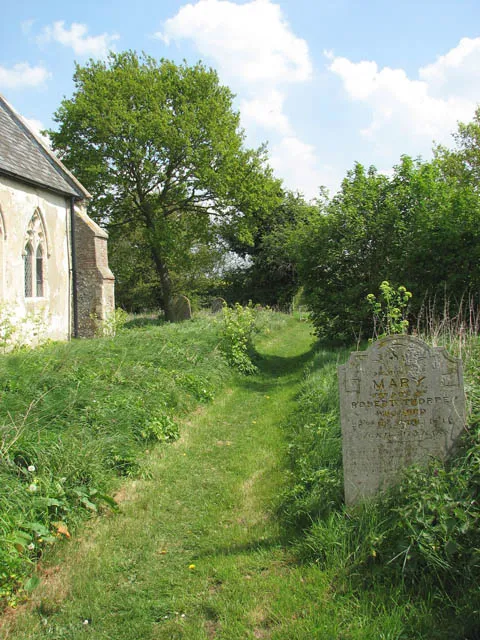
Not every church is a visitor attraction, but many are open on weekends and hold centuries of local detail: brasses, bells, memorials, a Norman font, a noticeboard full of village life. Look for a leaflet or a volunteer. Be respectful if there is a service. Light a candle if that is your thing; sit quietly if it is not.
6. The garden cemetery
Victorian cemeteries are unofficial parks, full of sculpture, wildlife and local history. A weekend walk through one can be peaceful and surprisingly uplifting. Check opening times, stick to paths and respect mourners. Many have friends groups that run guided walks. It is heritage, but it is also a place for a slow wander.
7. The canal lock and towpath
Canals are industrial heritage that also happen to be good for a stroll. Find a lock, a bridge or a wharf, then walk a short stretch of towpath. Bus stops are often near bridges. Take a flask. Watch a boat go through. The pace does something good to the nervous system.
8. The local archive or heritage room
Libraries and record offices often have a local history room: maps, photographs, newspapers on microfilm, a helpful archivist. You can spend an hour following a street or a surname. It is free, warm and quiet. Check opening hours and whether you need to book a reader's ticket. Bring a pencil, not a pen.
9. The market square and blue plaques
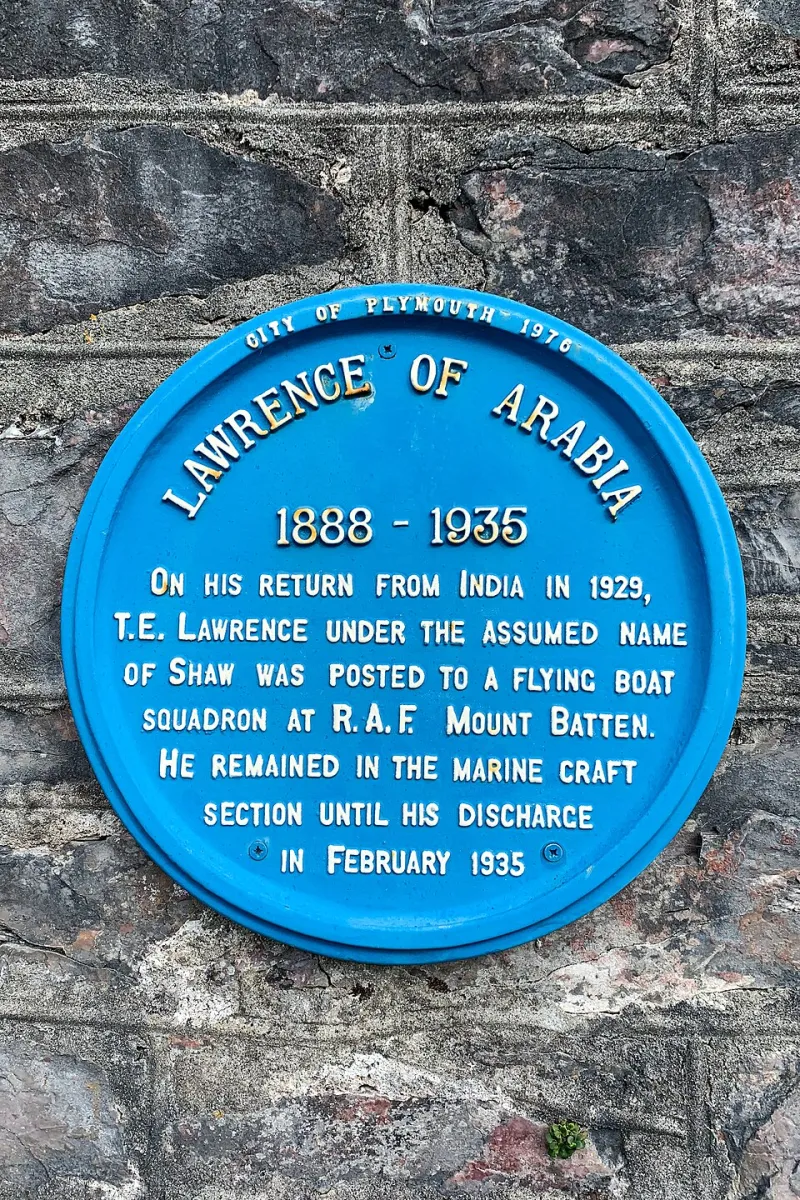
Almost every market town has a square with a story: a butter cross, a town hall, a plaque to someone half-remembered. Download a local heritage trail or pick up a leaflet from the library. Walk it slowly. Stop for a coffee. The point is not to tick off every plaque; it is to look up.
10. The community-owned picture house
Some small cinemas and music halls have been saved by local people and now run heritage tours or daytime films. A matinee is a low-cost afternoon out, and the building itself is often the star. Check what is on before you go; some venues open only for events. A bus pass and a bag of popcorn is a decent weekend.
Make the Bus Work for You
Before you set out, check the operator's website for weekend timetables, not just the weekday ones. Ask about day tickets, group tickets and concessionary passes. Take a charged phone, a bottle of water and a layer. If a place is closed, do not treat it as a wasted trip — find the nearest park or café and count it as a recce.
The real wellbeing win is the habit: a short bus ride, a small place, a bit of local history. You do not need a grand day out. You need a reason to get on the bus. In 2026, that is still one of the cheapest ways to feel more connected to where you live.