The Quiet Visitor: Churchyards, Wellbeing and the Art of Respectful Presence
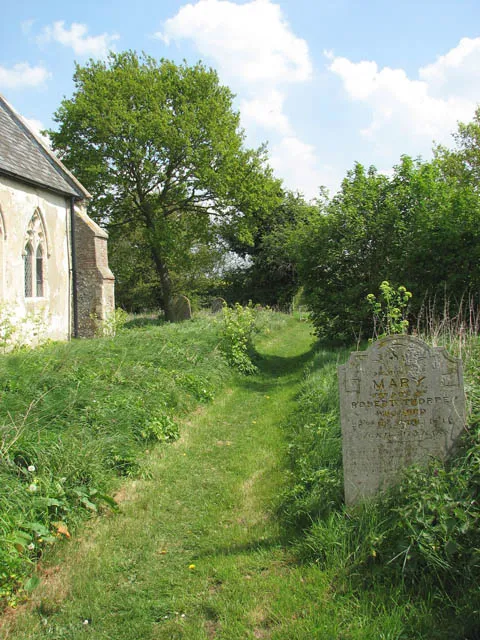
Photo: Evelyn Simak, CC BY-SA 2.0, via Wikimedia Commons
On a grey Tuesday in November, a churchyard can feel like the quietest room in town. The traffic is still there, somewhere beyond the wall, but the sound arrives muffled. A yew tree holds its dark shape. A path curves between leaning stones. For a few minutes, the day slows down.
That slowing is not a small thing. Across the UK, churchyards and cemeteries are being noticed in a new light: not only as places of burial and belief, but as free, accessible spaces for walking, reflection and local history. They are heritage sites, wildlife havens and civic assets all at once. And they are increasingly cared for by volunteers who understand that a quiet place does not look after itself.
A different kind of green space
Churchyards are accidental nature reserves. Ancient yews, lichens, wildflowers, bats and birds often thrive where mowing is gentle and chemicals are few. The stones themselves are a kind of archive: names, dates, trades, family connections and the slow weathering of local memory. A churchyard can tell you who built the town, who left it, who stayed, and who was buried far from home.
That heritage is not behind glass. You can walk among it. You can read a stone and wonder about the person beneath it. You can notice a Commonwealth war grave, a carved symbol, a boundary wall older than the houses around it. For anyone interested in local history, a churchyard is one of the most generous places to begin.
Why quiet places help
Wellbeing is not only about organised exercise or formal therapy. It is also about small moments of calm, fresh air, gentle movement and a sense of perspective. A churchyard offers all four without a membership fee. For people who find gyms expensive, groups intimidating or parks busy, a churchyard path can be a first step back into the world.
That does not mean churchyards are a replacement for medical care or mental health support. They are simply one more resource in a neighbourhood: a place where you can sit on a bench, breathe, and remember that you are part of a longer story. In 2026, when so much of life is loud and fast, that is worth protecting.
The volunteers holding the gate open
Many churchyards are now looked after by friends groups, conservation volunteers and local history societies. Their work is part maintenance, part memory. They mow paths, survey wildlife, record inscriptions, clear saplings, lead guided walks and open the church for visitors. They also negotiate the tricky balance between keeping a place tidy and leaving it wild enough for nature.
This is civic life at its most practical. A churchyard is not only the responsibility of a congregation. It is a shared local asset, and the people who care for it are often the same people who run the village hall, staff the food bank or organise the heritage open day. If you want to understand a place, look at what its volunteers tend.
Visiting with care: a friendly etiquette guide
Go gently. Check opening times before you travel, and close gates behind you. Stick to paths where they exist, especially in wet weather, and keep dogs on leads unless signs say otherwise. Do not picnic on graves, lean on unstable stones or let children play among memorials. Photography is fine, but ask before photographing people or recent graves, and never treat a funeral as a spectator sport.
If a service is taking place, wait or come back later. Dress for the weather, carry out your litter and do not tidy a grave you do not tend. Wildflowers and long grass are often deliberate. If you want to help, ask a volunteer or the church office what is needed rather than pulling up something that might be rare. A donation in the box is always welcome, even if you have only come for the walk.
How to find your local churchyard
Look for churchyard trails, heritage open days, volunteer mornings and local history walks. Many churches publish opening times online, and some leave a simple leaflet by the door. Go without an agenda. Take a flask. Sit for ten minutes. Read one stone. Notice one tree.
The quiet visitor leaves only footprints and takes away a little more sense of place. In a country full of noisy claims on our attention, that is a modest kind of heritage worth keeping.