Who Waters the Welcome? Three Flower Beds and What They Say About Us
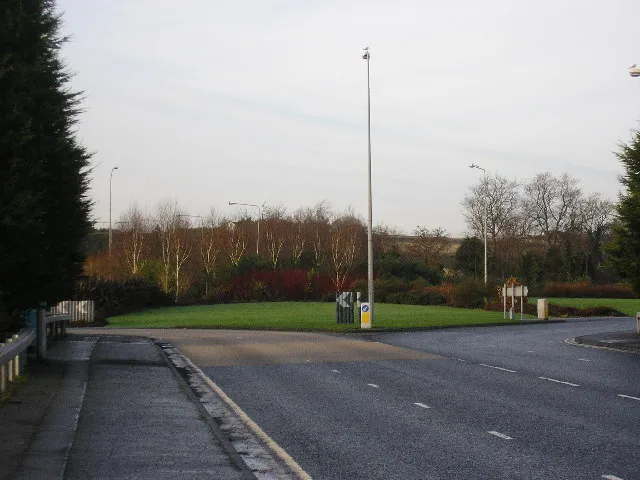
Photo: Dennis Reynolds, CC BY-SA 2.0, via Wikimedia Commons
On a damp November morning, the roundabout on the edge of town is not at its best. The summer bedding has gone over, the soil is dark and the Parks team has already begun the quiet swap to winter pansies and spring bulbs. It is not a glamorous sight. But it is a useful one. If you want a quick read on how a place is doing — who is paying attention, who is paying the bills and who is willing to get their hands dirty — a public flower bed is as good a civic health check as any.
This is not a misty-eyed plea for municipal begonias. It is a look at three very different beds: a council roundabout, a station forecourt and a volunteer-tended verge. Each one shows a different version of care in 2026, and each asks a slightly awkward question about who actually keeps a town looking loved.
The Roundabout: Council Compost and Public Money
The roundabout bed is the classic municipal set piece. It is planted, watered and deadheaded by the local authority, usually on a twice-yearly schedule: summer colour, then winter structure and spring bulbs. Behind that simple rhythm sits a parks department with a long memory. Victorian and Edwardian towns competed over public gardens; post-war councils used bedding schemes to signal recovery and civic pride. Britain in Bloom arrived in 1964 and gave the whole business a competitive sheen.
Today the roundabout is also a risk assessment. Tall plants cannot block sightlines. Colour has to work at 20mph. The soil has to cope with exhaust, salt and long dry spells. That is why drought-tolerant planting has crept in — lavender, sedum, ornamental grasses, hardy geraniums — alongside the traditional bedding. It is less shouty than a carpet of red salvias, but it survives a hosepipe ban and a squeezed budget.
And the cost? It varies wildly. A modest planter might be a few hundred pounds a year; a large bedding scheme can run into several thousand once plants, compost, water, staff time and seasonal labour are counted. The exact figure sits in council budgets, but the principle is simple: public planting is a choice. It is one of the small civic choices that say whether a place is being maintained or merely managed.
The Station Forecourt: Heritage With a Watering Can
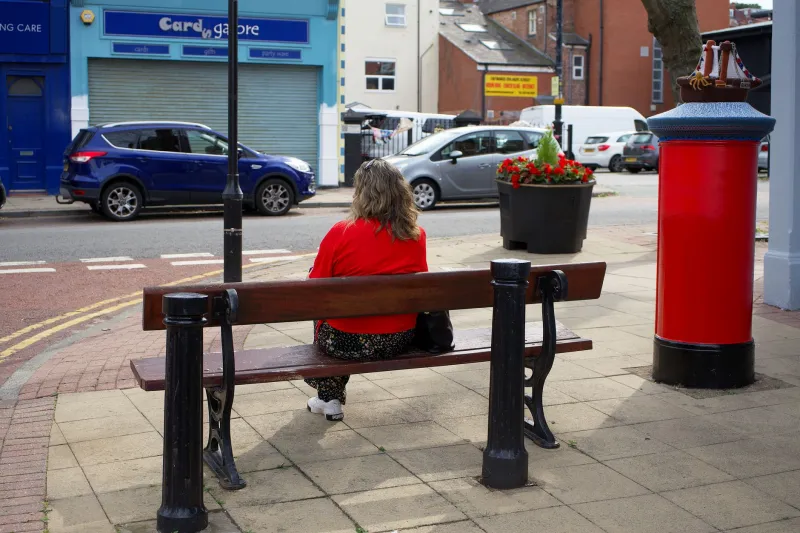
The station forecourt is a patchwork. The rail operator owns some of it, the council owns other bits, and a friends group has adopted the planters because nobody else was going to. This is increasingly common. Station adoption schemes, business improvement districts and volunteer litter-pickers fill gaps that formal budgets no longer reach.
The heritage angle is not incidental. Many of our stations are Victorian or Edwardian buildings, and the forecourt is the first and last thing a visitor sees. A scruffy arrival says one thing; a cared-for arrival says another. The volunteers here are not just gardening. They are doing place-making with a trowel. They choose tough plants that can survive neglect, they water in dry spells, and they quietly weed out the worst of the litter.
It is also a wellbeing project, whether the volunteers would call it that or not. Gardening is gentle exercise, it gets people outside, and it creates the low-stakes conversations that make a neighbourhood feel less anonymous. The forecourt bed will never win a design award. But it is a daily reminder that somebody noticed.
The Volunteer Verge: Less Committee, More Kneepads
The third bed is a verge outside a GP surgery, tended by a loose group of neighbours who got permission, dug out the worst of the rubble and planted drought-tolerant perennials. There is no grand scheme. There is a WhatsApp group, a shared watering rota and a certain amount of trial and error.
This is the most fragile model and the most replicable. It depends on a council officer saying yes, a few people with spare time and a willingness to accept that the first year will look odd. The verge is not a flower bed in the traditional sense. It is a small act of civic maintenance. It says that the space between buildings is not nobody's business.
The practical lessons are worth passing on. Start small. Ask the council or landowner first. Choose plants that suit the soil and the rainfall. Avoid anything that blocks sightlines or creates a maintenance headache. Think about winter structure, not just summer colour. And do not underestimate the power of a simple sign explaining what has been planted and why.
Why a Flower Bed Is a Health Check
The wellbeing evidence is not just vibes. Research on green space and attention restoration suggests that even small pockets of planting can give people a mental breather. Place attachment — the feeling that a street or square belongs to you — is linked to how much people feel able to shape it. A flower bed is a tiny, visible example of that. It is also a signal of social order: not in a punitive sense, but in the simple sense that somebody is looking after the shared stuff.
That is why the municipal flower bed still matters in 2026. It is not really about horticulture. It is about whether a town can still do small things well. A roundabout in bloom is a civic health check because it shows the machinery of care: budgets, staff, volunteers, permissions, watering rota, seasonal planning. When it works, nobody notices. When it fails, everybody does.
Getting Your Hands Dirty
If you want to support public planting this winter, there are practical routes. Join or start a friends group. Ask the council which verges or planters are available for adoption. Look at the RHS Britain in Bloom framework for ideas rather than competition. Push for drought-tolerant schemes that will not need constant watering. Offer to help with spring bulb planting, which is cheap, cheerful and hard to get wrong.
And if you see a volunteer deadheading a station planter or dragging a hose across a roundabout, say thank you. It is a small civic choice, made over and over, that keeps the welcome alive.