The Hall Next Door: Why Community Rooms Are Becoming 2026’s Friendliest Wellbeing Spaces
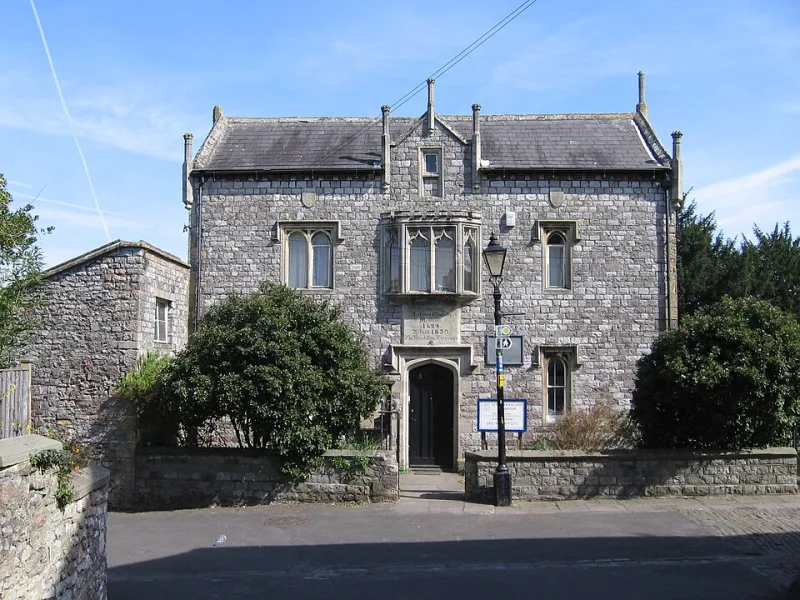
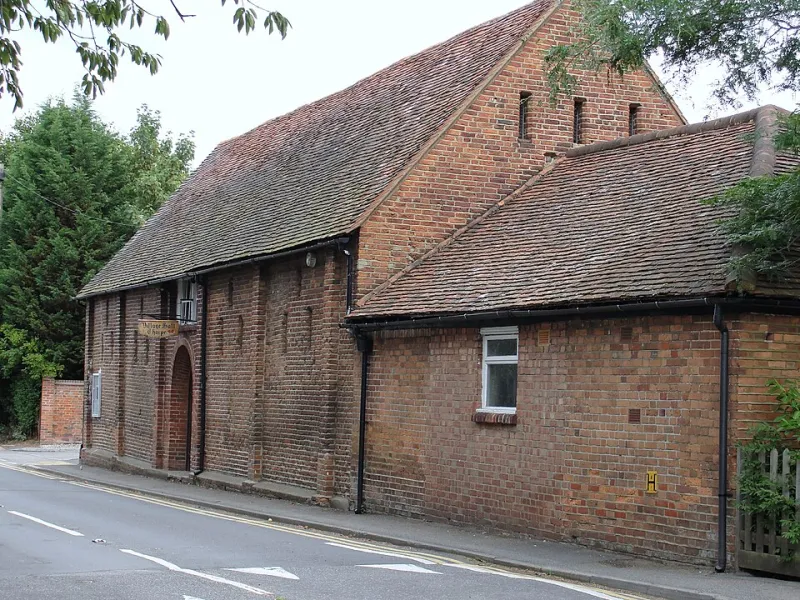
Photo: William Avery, CC BY-SA 2.5, via Wikimedia Commons
Village halls have a reputation. Draughty stage, stack of folding chairs, tea urn that takes twenty minutes to get going. All true, in the right light. But the hall next door is also becoming something else in 2026: a warm room, a listening ear and a low-cost route into the week. Across the UK, community spaces are quietly turning into wellbeing hubs, not by adding a spa or a wellness coach, but by doing what they have always done — making room.
From Draughty Stage to Drop-In Welcome
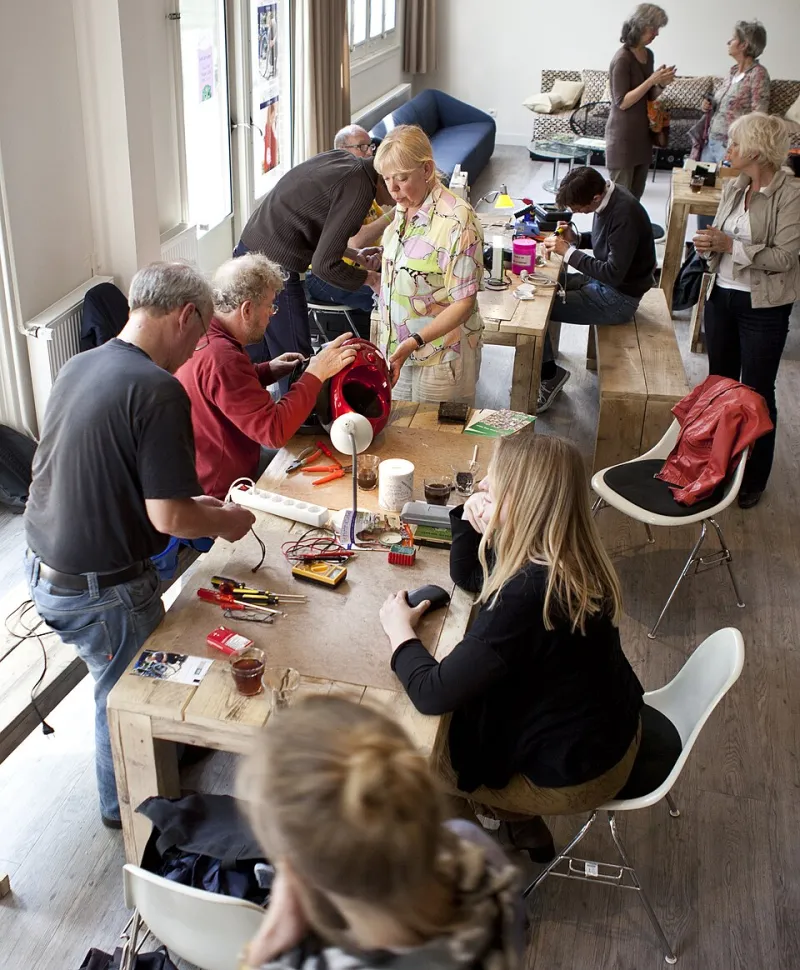
When the heating goes on and the door is propped open, a community building starts to compete with the sofa. Not by being flashy. By being nearby. In 2026, many village halls, church rooms and community centres are hosting warm spaces, coffee mornings, repair cafés, chair-based exercise, debt advice and form-filling sessions. The point is not to turn the hall into a clinic. It is to give people a reason to leave the house that does not cost £15 and does not require a booking app.
Social prescribing has helped. GPs and link workers can point people towards non-medical support — a walking group, a craft session, a lunch club — and the local hall is often the most practical venue. It is usually cheaper than a private room, familiar to residents and already insured for community use. That matters when a small charity has a small budget and a big waiting list.
What a Good Tuesday Looks Like
Picture a hall with three things happening at once. In the main room, a warm space with soup and newspapers. In the side room, a volunteer helping someone with an energy bill. In the kitchen, a group making flatbreads for lunch. None of it is glamorous. All of it is civic infrastructure. The wellbeing benefit is not just the activity; it is the nod at the door, the recognition, the sense that you are expected.
Practical examples are easy to find once you start looking. A hall in Suffolk might run a weekly soup lunch with an advice desk in the corner. A church room in Yorkshire might host a repair café and a gentle exercise class on the same morning. A community centre in south Wales might have a tool library, a seed swap and a drop-in for new parents. The details differ; the pattern is the same. Use the room for more than one thing, keep the cost low, and let local people shape the programme.
The Civic Bonus
Community buildings do something that online groups struggle with: they create weak ties. The person you see at the hall every fortnight is not necessarily a close friend. They are a familiar face. That low-level recognition is good for wellbeing and good for neighbourhoods. It makes people more likely to ask for help and more likely to offer it.
There is a civic benefit too. When a hall becomes useful, it becomes visible. Volunteers turn up. Councillors pay attention. Funding applications get stronger because the hall can show who it serves and what happens on a wet Wednesday. A warm space is not a substitute for decent housing or a functioning health service. But it can be a humane front door to local support.
Start Small: A Friendly Checklist
You do not need a committee of forty or a lottery grant to begin. Try this:
- Pick one low-pressure activity. A coffee drop-in, a lunch, a board game afternoon. Keep it simple and repeat it.
- Ask who is missing. Older residents, new parents, shift workers, people new to the area. Test the time and day with them, not for them.
- Check the basics. Heating, insurance, accessible toilets, a kettle, a sign on the door. Boring things make welcoming things possible.
- Find one partner. A library, a GP surgery, a faith group, a sports club or a local charity. Share the load.
- Make the welcome explicit. Put a named person on the door. Say hello. Do not assume people know where to sit.
- Keep the cost honest. Free where possible, low-cost where not. A suggested donation is fine; a price list at the door is not.
- Record what happens. Not a spreadsheet for its own sake — a short note of numbers, comments and what you would change.
- Tell people. The parish newsletter, the shop window, the school gate, the local Facebook group. Repeat it more than feels necessary.
The Next Chapter
The village hall renaissance is not about making these buildings trendy. It is about making them useful in a year when many people need a warm room, a cheap lunch and a reason to talk. The best halls in 2026 will not be the ones with the newest kitchen. They will be the ones that open the door, put the kettle on and mean it.