The Town's Unseen Rota: Clock Winders, Bench Painters and the Everyday Rituals That Hold a Place Together
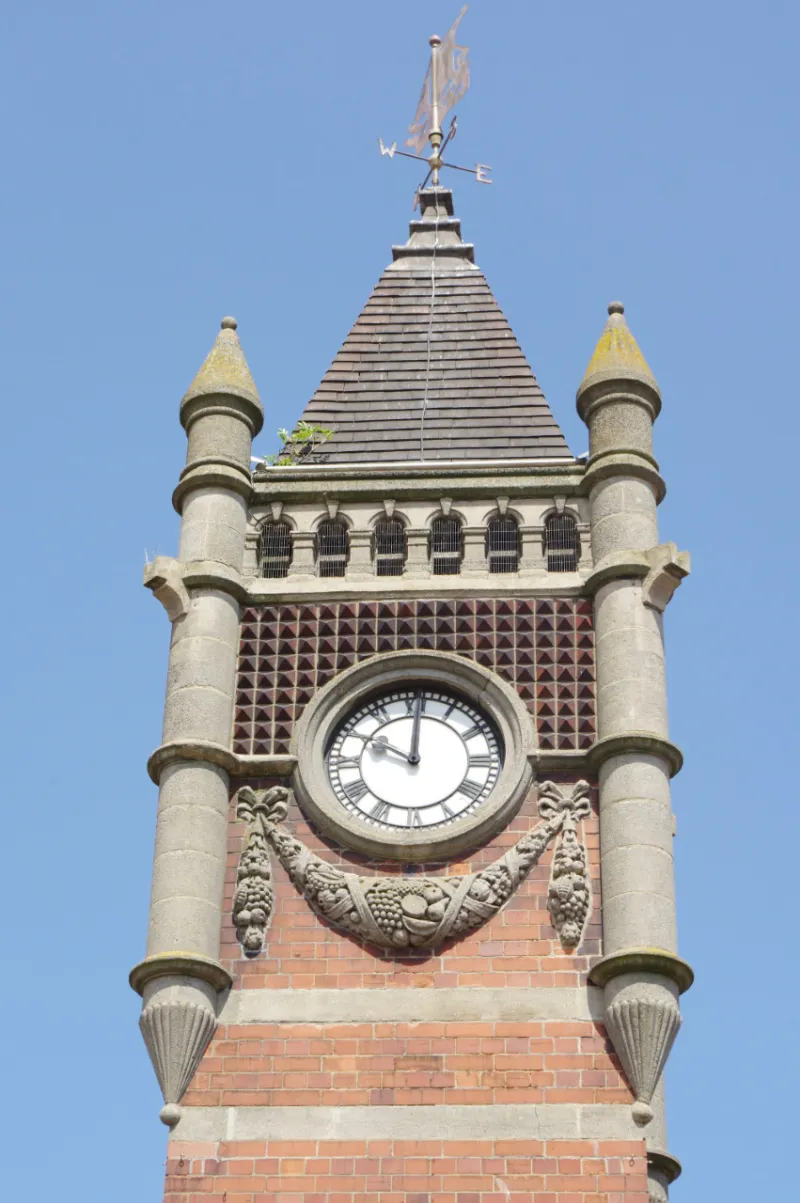
Photo: Stephen McKay , CC BY-SA 2.0, via Wikimedia Commons
There is a sound in many town centres that nobody really hears until it is gone. It is the chime of a clock, the creak of a flag halyard, the scrape of a bench being moved. These are the background notes of civic life. They do not appear in tourism brochures. They rarely make the council agenda. But when they stop, a place starts to feel different.
Who winds the town clock? Who repaints the bench with the missing slat? Who checks that the boundary stone is still where it should be, or that the flag can be raised without the rope snapping? In 2026, the answers are often surprising: a retired engineer, a parish clerk, a small band of volunteers, a caretaker with a long memory and a set of keys.
The clock that needs a human
Not every town clock is automatic. Many are wound by hand, once or twice a week, by someone who climbs a narrow staircase to a dusty room full of weights, cables and a pendulum. It is not a job for the careless. You need to know how the mechanism behaves, when to stop, what not to touch and who to call if something looks wrong.
One clock winder in a market town told us: 'People only notice the clock when it stops. Then it is the most important thing in town.' He has been doing the job for eleven years. He checks the time against his phone, listens for odd noises and keeps a logbook that is part diary, part repair history and part local gossip. When he goes on holiday, someone else has to be trained. When he is ill, the clock slows and stops.
That is the hidden fragility of these rituals. They look permanent because they are old. In reality, they depend on a rota of people who know what they are doing.
Benches, bollards and the beauty of maintenance
Clock winding gets the romance. Bench maintenance gets the splinters. Yet the same principle applies. A bench is a small piece of public living room. People eat lunch on it, wait for buses, propose on it, scatter ashes near it and sit on it when they need to cry. When the slats rot, someone has to measure, order timber, sand, prime and paint. When the paint flakes, someone has to choose a colour that matches the rest of the street.
Then there are boundary stones. These odd, often ignored markers show where one parish, manor or authority ends and another begins. Checking them is a walk with a purpose. Volunteers follow old maps, clear brambles, photograph the stones and report ones that have been buried, moved or damaged. It is part heritage detective work, part gentle exercise and part excuse to explore lanes you have never noticed.
Flag raising is another one. A flagpole looks simple until the halyard jams, the clip rusts or the flag wraps itself around the pole in a gale. Someone has to check the rope, know the protocol and be available on the right days. It is a small civic performance, and it needs a stagehand.
What happens when the rota goes quiet
When these jobs lapse, the effects are rarely dramatic at first. The clock stops. The bench disappears. The flag stays down. The boundary stone gets swallowed by a verge. Then people start to notice. Visitors ask why the town looks shut. Residents feel a small, hard-to-name loss. The place has not fallen apart, but it has lost a layer of care.
Later comes the bigger cost. A stopped clock may need a specialist. A neglected bench may be beyond repair. A snapped halyard may mean a contractor, a cherry picker and a bill. Small maintenance is nearly always cheaper than rescue. It is also more likely to happen if someone has the keys, the training and the phone number.
The wellbeing bit
These jobs are not just about heritage. They are a form of accessible civic volunteering. You do not need to climb a tower to help. You can paint a bench, check a boundary stone, tidy a noticeboard, join a flag rota or keep a simple maintenance log. Some roles need training and permission; many need only time and care.
Volunteers describe the same benefits again and again: a reason to leave the house, gentle exercise, company, a sense of usefulness and the pleasure of learning how a place actually works. For older residents, it can be a way to pass on practical knowledge. For newer residents, it can be a way in. For anyone feeling a bit adrift, a small recurring job can be a steady anchor.
How to become a quiet keeper
Start by asking. Contact the town or parish council, the church, the friends group or the local civic society. Say what you can offer and what you would like to learn. Ask about insurance, training and boundaries. Do not start painting a listed structure, climbing a clock tower or adjusting a flagpole without permission. The point is care, not freelancing.
If there is no rota, offer to help create one. A simple spreadsheet, a shared calendar and a named contact can keep a small ritual alive for years. Photograph what you do. Write down the quirks. Show the next person where the key lives and which step is loose.
The town as a shared living room
A place feels like home because of big things: schools, hospitals, jobs, friends. It also feels like home because of small things: a clock that tells the right time, a bench that is dry, a flag that flies, a stone that still says where you are. These are not sentimental extras. They are the everyday evidence that somebody is paying attention.
The people who wind the clock, paint the bench and check the boundary stone are not looking for applause. Most of them would be embarrassed by the fuss. But they are doing one of the most useful things a citizen can do: keeping the ordinary machinery of local life turning. And they are always looking for someone to show the ropes.