Cork, Pin, Conversation: Why the Local Noticeboard Still Wins in 2026
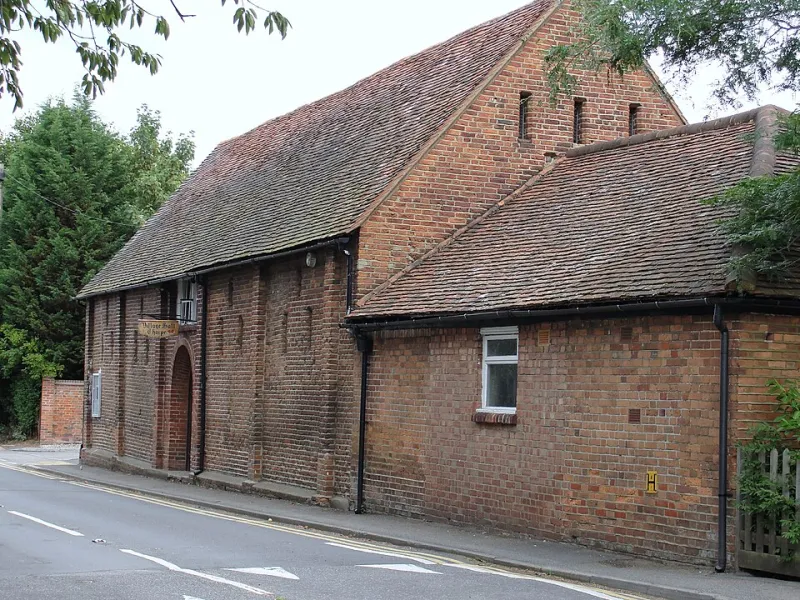
Photo: Maxwell Hamilton, CC BY-SA 3.0, via Wikimedia Commons
There is a certain kind of hope in a wonky cork board. It is not sleek. It does not ping. But when a library, café or village hall gives one wall over to a sheet of cork and a box of pins, something quietly useful happens: the neighbourhood starts talking to itself again.
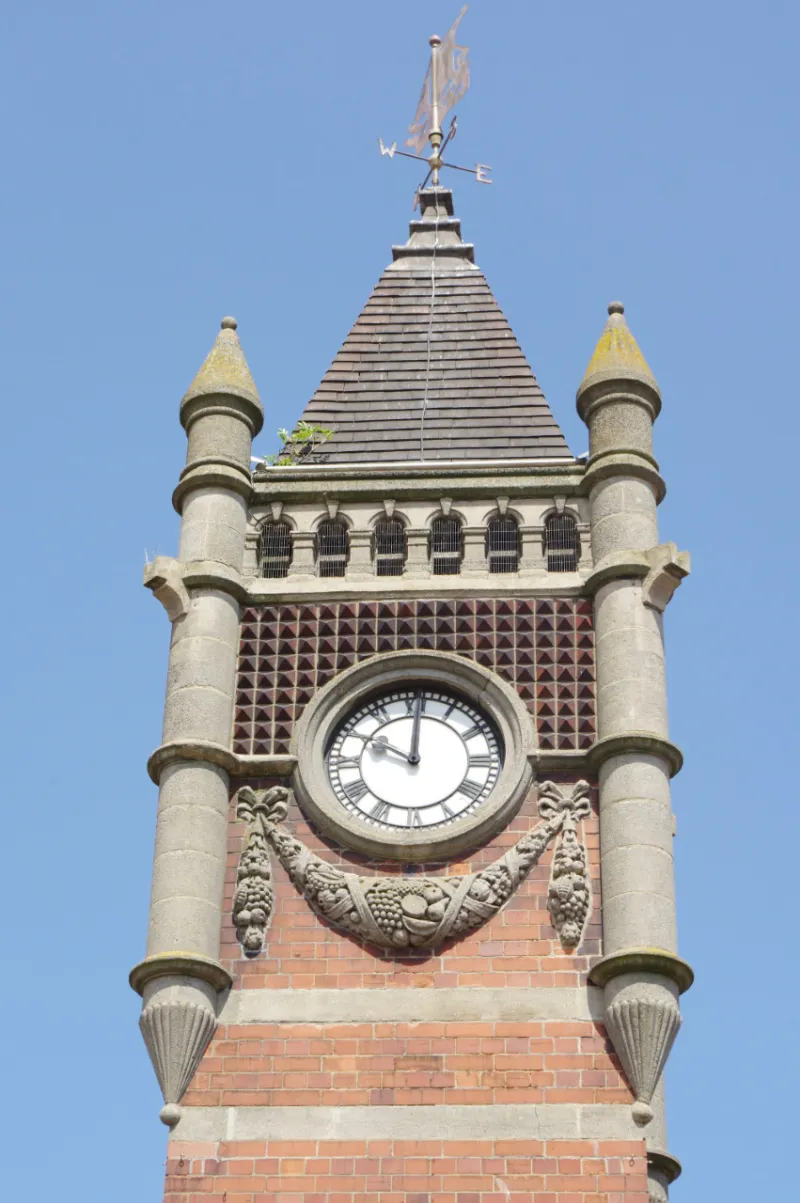
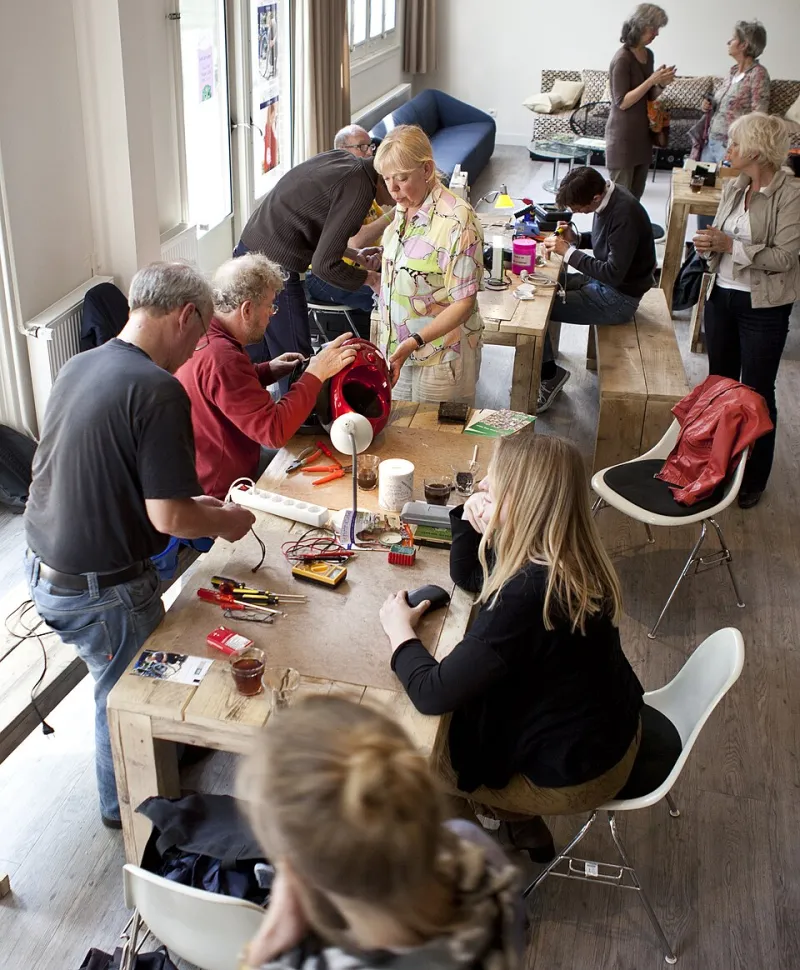
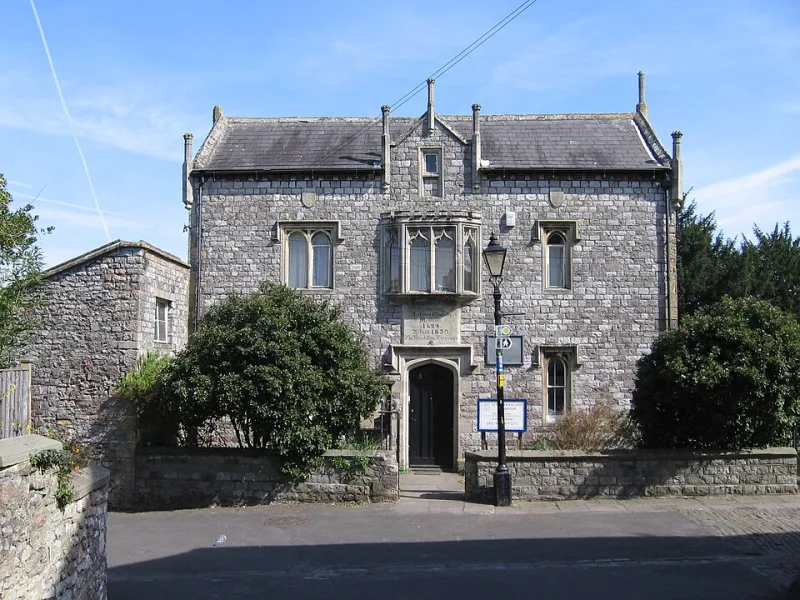
I have come to think of the community noticeboard as civic infrastructure hiding in plain sight. In 2026, when so much local life runs through group chats and feeds, a board is still one of the few places where a heritage walk, a breastfeeding group, a repair café and a lost cat can share the same space without an algorithm deciding what matters. It is slow, public and refreshingly unglamorous.
Why cork still matters
Digital tools are brilliant at reaching people who already know where to look. A noticeboard catches everyone else. It reaches the older resident who does not use social media, the parent pushing a pram past the library, the newcomer who has not yet found their people, and the teenager who is simply killing time. It costs nothing to read, and it asks nothing of you except a moment of curiosity.
A board also signals that a place is alive. An empty noticeboard is a small civic shrug. A full one says that somebody nearby is organising, caring, remembering and inviting. That matters for wellbeing. Belonging is not built by grand campaigns alone. It is built by small, visible invitations.
Where a noticeboard belongs
Footfall is not enough. The best boards sit where people naturally pause: by the library entrance, in the café queue, in the village hall porch, outside the community centre, or in the leisure centre corridor. A church porch can work beautifully if the building is open and the board is protected from damp. A supermarket foyer can work if the manager is on side and the board is not treated as free advertising space.
Permission matters. Ask the host, agree who maintains the board, and check the practical details: height, lighting, weather protection and whether the board can be reached by wheelchair users and children. A board fixed at eye level for a tall adult is a board half the neighbourhood cannot use. Avoid the dark corridor by the bins. Civic life deserves better than that.
What to pin up
Start with the three Hs: heritage, health and help. A local history society walk, a talking café, a volunteer gardening morning, a warm hub, a baby bank collection, a repair café, a book group, a churchyard tidy-up, a community choir. Add the odd and ordinary: a spare allotment plot, a request for a lift to a hospital appointment, a notice about a street party. Leave room for the things that do not fit neatly into a category.
Every notice should carry a date and a contact route that does not expose personal data. A mobile number is fine if the owner agrees. A generic email address is better. A QR code can help, but never make it the only way in. The board should still work for someone whose phone is out of battery.
Keep it inclusive
A board that only speaks to people who already know the code is just wallpaper. Use large print for key notices. Keep a lower section for children and wheelchair users. Where the local population needs it, include notices in more than one language. Keep party politics off unless the board is explicitly for that purpose, and be wary of adverts that make the space feel like a shop window. The tone should be welcoming, not cliquey.
A keeper helps. A board without a keeper becomes archaeology. Someone needs to clear out old notices once a month, straighten the pins, remove anything that has expired and make sure the board does not become a memorial to last year's events. That is not censorship. It is housekeeping.
UK examples that show it works
Look at The Bevy in Brighton, a community-owned pub where the board by the door carries everything from quiz nights to bereavement support. Or Kinning Park Complex in Glasgow, where a hallway noticeboard acts as a low-key switchboard for the surrounding streets. In Manchester, the board at Withington Library has long been a meeting point for walkers, knitters and tenants' groups. In rural Suffolk, a village hall board can be the difference between a new family feeling isolated and finding the Tuesday coffee morning. None of these is glamorous. That is the point.
Start one this weekend
You do not need a committee. You need permission, a cork board, a box of pins and a small burst of stubbornness. A board around 90cm by 60cm is enough to begin. Mount it at a reachable height, add a simple header that says what the board is for, and invite a few local groups to pin something up. Launch it with tea. Ask people to date their notices. Review it monthly. If it fills up, add a second board rather than cramming everything into one.
The noticeboard revival is not nostalgia. It is a practical response to a fragmented local life. In 2026, a single cork board can rebuild a neighbourhood one pin at a time. It will never trend. It will simply work.