Borrow, Return, Belong: A Morning in the High Street's Library of Things

Photo: Catherine Amia, CC BY-SA 4.0, via Wikimedia Commons
On a damp Tuesday morning in November 2026, the most borrowed thing on our high street is not a book. It is a cordless drill. Behind the glass of a former estate agent's office, between the charity shop and the bakery, the shelves are labelled not by genre but by job: drilling, cleaning, baking, camping, sewing, celebrating. A hand-written sign above the till reads 'Borrow. Return. Belong.' This is the Library of Things, and it is quietly becoming one of the most useful civic rooms in town.
A shopfront that lends rather than sells
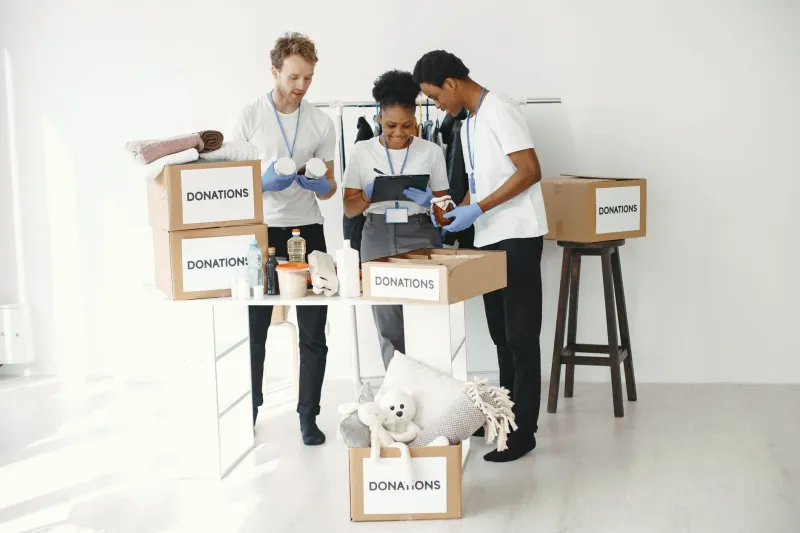
The idea is simple enough. Residents pay a voluntary £5 a year, or nothing if that is easier, and can borrow from a catalogue of about 180 items. There are ladders and loppers, a projector for community meetings, a badge maker for school fairs, folding tables, a gazebo, a sewing machine, a carpet cleaner and more cake tins than any one kitchen could justify. The library is run by fourteen volunteers and supported by a small council community grant. It opens three mornings and one late evening a week.
'We are not a shop and we are not a traditional charity,' says Jan, a retired teacher who does Tuesday mornings. 'We are a cupboard with a rota.' That is the charm of it. The shelves are tidy but not precious. Nothing matches. Everything has a label, a number and a story.
What actually goes out the door
The drill is the gateway item. Jan says it accounts for more loans than anything else, followed by the steam cleaner, the folding tables and the cake tins. In summer the gazebo and camping stove go out for fetes and festivals. In winter the dehumidifier and carpet cleaner do the rounds. Birthdays bring a run on number-shaped cake tins; school projects bring a run on glue guns and badge makers.
'Someone borrows a drill, then a ladder, then a cake tin for their granddaughter's birthday,' Jan says. 'By then they know us. They come in for a chat even when they don't need anything.'
That is not a small thing. A library of things is practical, but it is also social. It gives people a reason to ask for help and a reason to return something clean. Both are small civic skills, and both are easier to practise with a label on the shelf.
Deposits, trust and the quiet paperwork of neighbourliness
Trust is the whole currency here. Joining takes proof of address and a signature on a simple loan agreement. Items over £50 carry a refundable deposit; a hardship fund covers deposits for anyone who needs it. There are no credit checks and no lengthy forms. Late returns get a friendly phone call, not a fine.
'We have lost two items in four years,' Jan says. 'We have had far more offers to repair things than we have had arguments.'
The unglamorous bits matter: PAT testing for electricals, a logbook, risk assessments, insurance, a volunteer rota. The library works because someone checks the hedge trimmer before it goes out and someone else remembers to ring the person who kept the projector an extra week. That is the quiet paperwork of neighbourliness, and it is what makes lending a drill to a stranger possible.
More than DIY: wellbeing by return
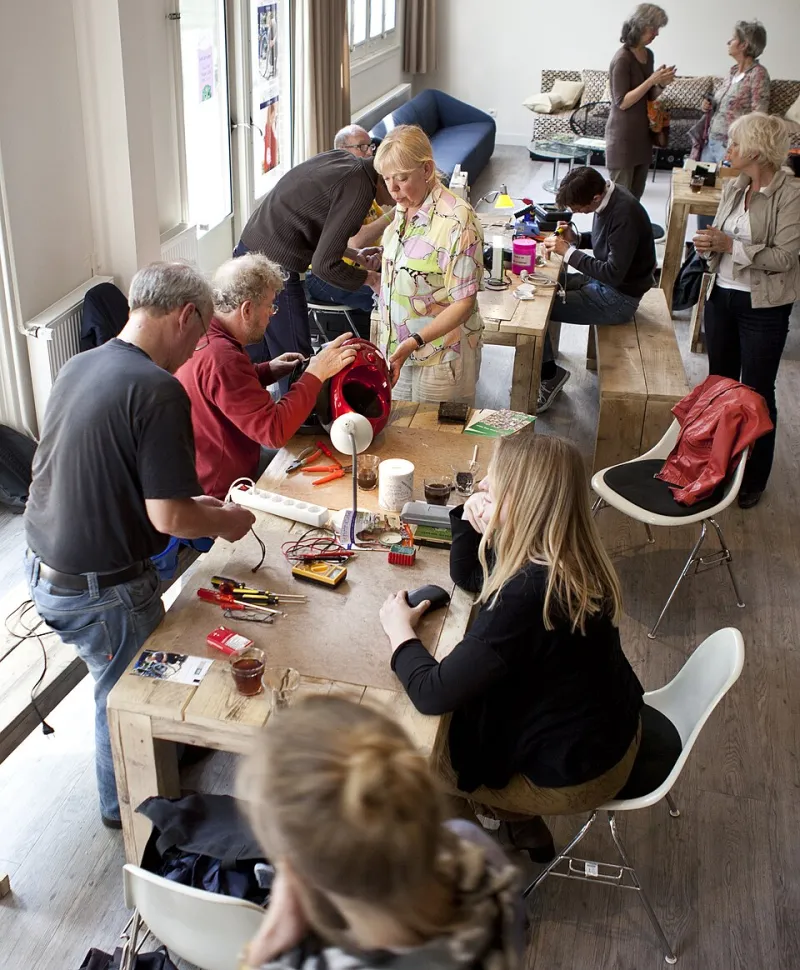
Borrowing sits alongside repair cafés and warm hubs as part of everyday wellbeing infrastructure. It is low-cost, low-drama and high-trust. A repair café can help you fix a lamp; a library of things can lend you the tool to hang a shelf; a warm hub can offer a cup of tea while you work out what to do next. None of them is a substitute for the others, but together they make a high street feel less like a row of transactions and more like a place that expects you to turn up.
In 2026, when a decent drill can cost £70 and a carpet cleaner £120, borrowing makes obvious financial sense. But the wellbeing case is just as strong. People learn to use tools they would never buy. They meet a volunteer who shows them which bit goes where. They return something on time and feel, quite rightly, like a reliable person.
How to support your own Library of Things
If you want one where you live, start with a survey rather than a shopping list. Ask what people would actually borrow. Do not buy twelve drills. Find a host: a church hall, a library, a pub with a back room, a community centre. Talk to your council about small grants and insurance. Write a loan policy in plain English. Partner with the repair café, the warm hub and the local allotment society. Keep records, but keep them simple.
You do not need a shopfront to begin. A cupboard in a hall and a shared spreadsheet can be enough. The high street branch works because it is visible, but visibility is not the same as scale. The point is to make borrowing normal.
The small print that isn't small at all
On the wall by the door there is a list of rules. Return items clean. Report faults. Do not lend your membership to a mate. It reads like small print, but it is really a description of how neighbours behave when they trust each other. The drill will come back. The cake tin will come back. And someone will borrow a ladder next week and find that the high street is a little more useful than they thought.
That is the lesson of the Library of Things. It is not really about the drill. It is about the return.