Clipboard Season: A Morning With the People Who Count the Town
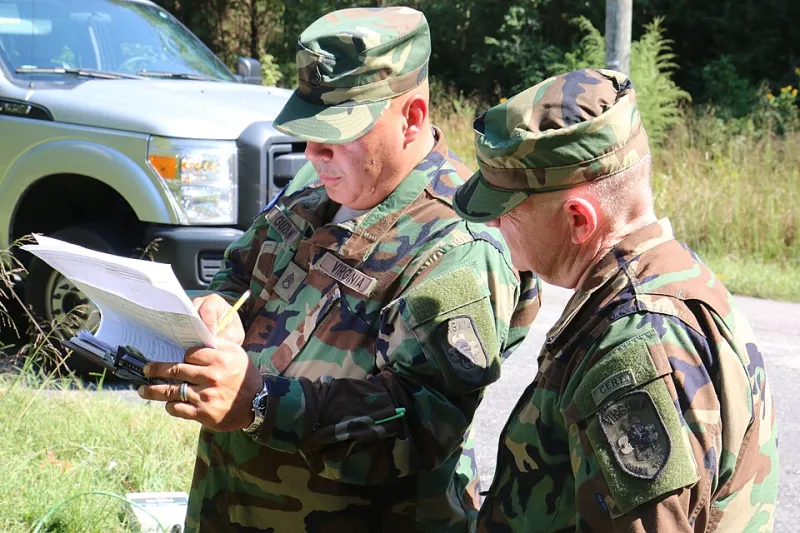
Photo: Cotton Puryear, Public domain, via Wikimedia Commons
8.42 on a Tuesday morning, and the car park behind the leisure centre is holding six people, one flask and a stack of clipboards. Marianne, a retired nurse who has run this rota since 2021, is handing out laminated maps with the town divided into fourteen numbered sections.
'Right,' she says, in the tone of a woman who has said this many times and still means it. 'Three rules. Don't step into the road. Don't try to fix anything yourself. And if you photograph it, get a foot in the shot for scale — otherwise it's just a picture of some tarmac.'
This is clipboard season. It runs all year, but the autumn is the busiest stretch, because the parish council wants its numbers in by the end of November and the county's budget conversation happens in the new year.
What gets counted
The tally sheets are less glamorous than you might imagine. There's a pothole walk on the first Tuesday, footfall at three set points, a bee transect along the ring-road verge, a bench audit of the fourteen seats in the town centre, and a general sweep for street lights out, dropped kerbs, blocked drains, dog bins and the A-boards that some shops leave out in the middle of a pavement.
Colin, 74, has the potholes. He does it in a hi-vis tabard with a clipboard in one hand and a walking stick he mostly ignores in the other. 'I've got nine streets,' he says. 'I know every one of them better than my own garden.'
From grumble to grid reference
Here's the thing about counting: it is not, on the face of it, very exciting. But it does something particular to a complaint.
Colin had rung the council three times about a crater at the Mill Street junction. Nothing happened for eleven months. Then he logged it on the tally sheet with a photograph, a date and a reference number. By the third month it had been hit fourteen times in the count, and it was filled in nine days later.
'It wasn't that they were ignoring me,' he says. 'It's that a phone call is one bloke having a moan. A sheet with a number and a photo and a date is something they can put in a sentence at a meeting.'
A council officer who asked not to be named put it slightly more bluntly: 'We get hundreds of reports a month and they're all from someone who's had a bad morning. What these volunteers give us is shape. If you tell me the crossing on Mill Street is fine, I can't do much with that. If you tell me forty people waited on Tuesday, eleven of them with prams, and the green man lasts nine seconds, that goes into next year's budget paperwork with a number attached.'
What the data doesn't do
Nobody in the group pretends that tallying is the same thing as mending. Two of the six mention, unprompted, the risk of what one calls 'counting instead of shouting' — the town gets a lovely spreadsheet and the drain stays blocked.
Marianne is alert to it. 'If we collect something for two years and nothing happens, we stop collecting it,' she says. 'Otherwise we're just an unpaid complaints department.'
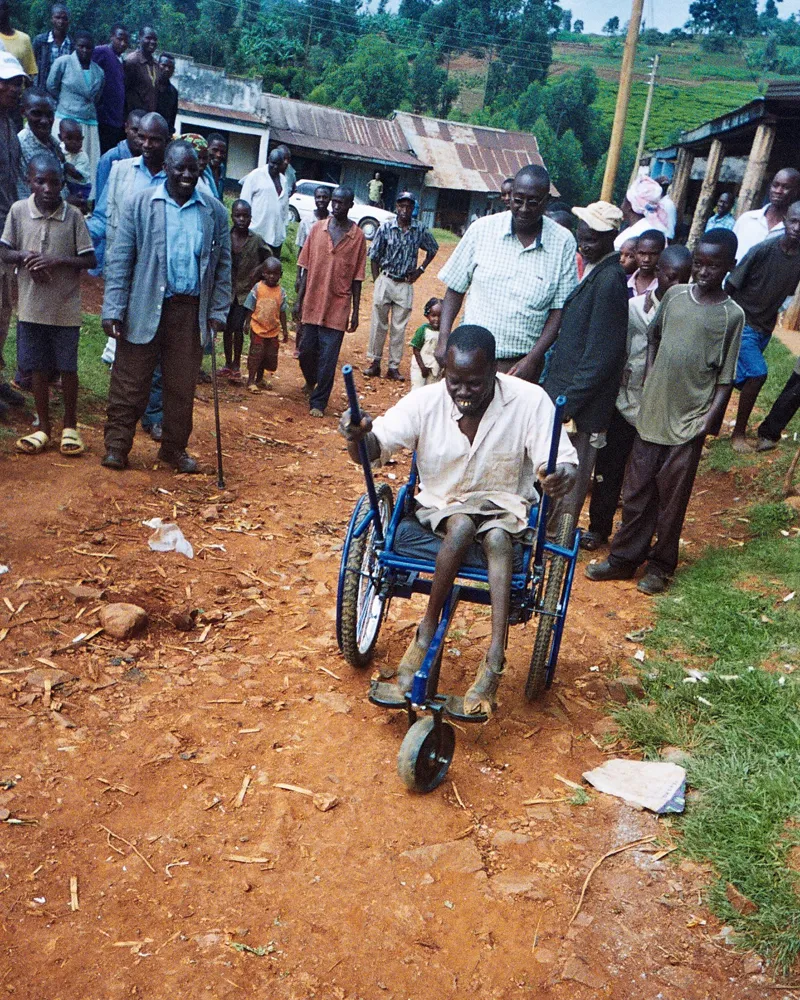
There's also the quieter problem of who holds the clipboard. The group skews retired, skews able-bodied, and skews towards people with a free Tuesday morning. That shapes what gets seen. The dropped-kerb count only started because Aisha, 34, joined in 2024 and pushed her sister's wheelchair down Gasworks Lane. The bus stop assessment only covers the three shelters, because nobody in the group routinely uses the four stops without them.
Colin's bee numbers come with a health warning too: ten minutes along the same route, same weather, same time of day, and a methodology written on the back of a beer mat in 2022. It's a trend, not a census, and the group are careful to say so.
The number nobody expected
The tally for 2026 so far reads roughly: 1,842 potholes logged, 61 lighting faults, 14 benches needing work (four repaired), 312 bee records, nine dropped-kerb problems, and just over a thousand footfall observations.
It was presented to the parish in September on two sides of A4. Three things moved: two benches, a dropped kerb, and a crossing timing.
'Three things out of a thousand numbers doesn't sound like much,' says Aisha. 'But those are three afternoons of somebody's life that got easier. And the rest is on record now. It's not gone.'
The bit nobody planned
The volunteers talk about this as a counting job. It is, obviously, also not that.
Aisha joined after her mother died in 2023. 'I needed somewhere to go on a Tuesday that wasn't the house,' she says. 'It turned out I liked the pothole walk. It's weirdly meditative. You look at the ground and you're looking for things and suddenly an hour has gone past and you haven't thought about yourself once.'
Colin, on his ninth street of the morning, is less lyrical. 'You can't be miserable with a clipboard,' he says. 'People stop you and ask what you're doing and you tell them and then they tell you about their pavement. It's a conversation with a purpose. Most conversations don't have one.'
That's the part that doesn't show up in the spreadsheet: a town where strangers will stop each other on a Tuesday morning and have a conversation about drainage is a town where people know each other slightly more than they did.
If you fancy joining
They meet at the leisure centre café on the first Thursday of the month at 9am, hand out routes, and are usually finished by half ten. No experience needed, no minimum commitment, and the maps are laminated so a bit of rain is fine. Bring a pencil and something visible to wear; Colin brings a spare hi-vis for newcomers and pretends he hasn't.
'You can do an hour,' says Marianne. 'An hour is a real help. Nobody here is going to make you feel bad for going home.'
What's next
In December the group starts a winter lighting sweep, and in the new year there's talk of a pavement audit done entirely by people who use wheels rather than feet — an idea that came out of a conversation in this car park in September and has already, in the way of these things, acquired a name and a subcommittee.
The town isn't a spreadsheet. But a spreadsheet built by people who walk it every month is, it turns out, one of the more useful ways of paying attention to a place.